- Wash Your Hands:
Before using the glucometer, wash your hands with warm water and soap. Dry them thoroughly with a clean towel. This helps avoid contamination and ensures accurate results. - Prepare the Equipment:
Have the glucometer, test strips, lancing device (for the finger prick), and lancets (needles) ready. - Insert a Test Strip into the Glucometer:
Insert a new test strip into the glucometer according to the manufacturer’s instructions. Most glucometers will turn on automatically when a test strip is inserted. - Set Up the Lancing Device:
Place a new lancet into the lancing device. Adjust the depth of the puncture if possible, according to your comfort and needs, following the lancing device manufacturer’s instructions. - Prick Your Finger:
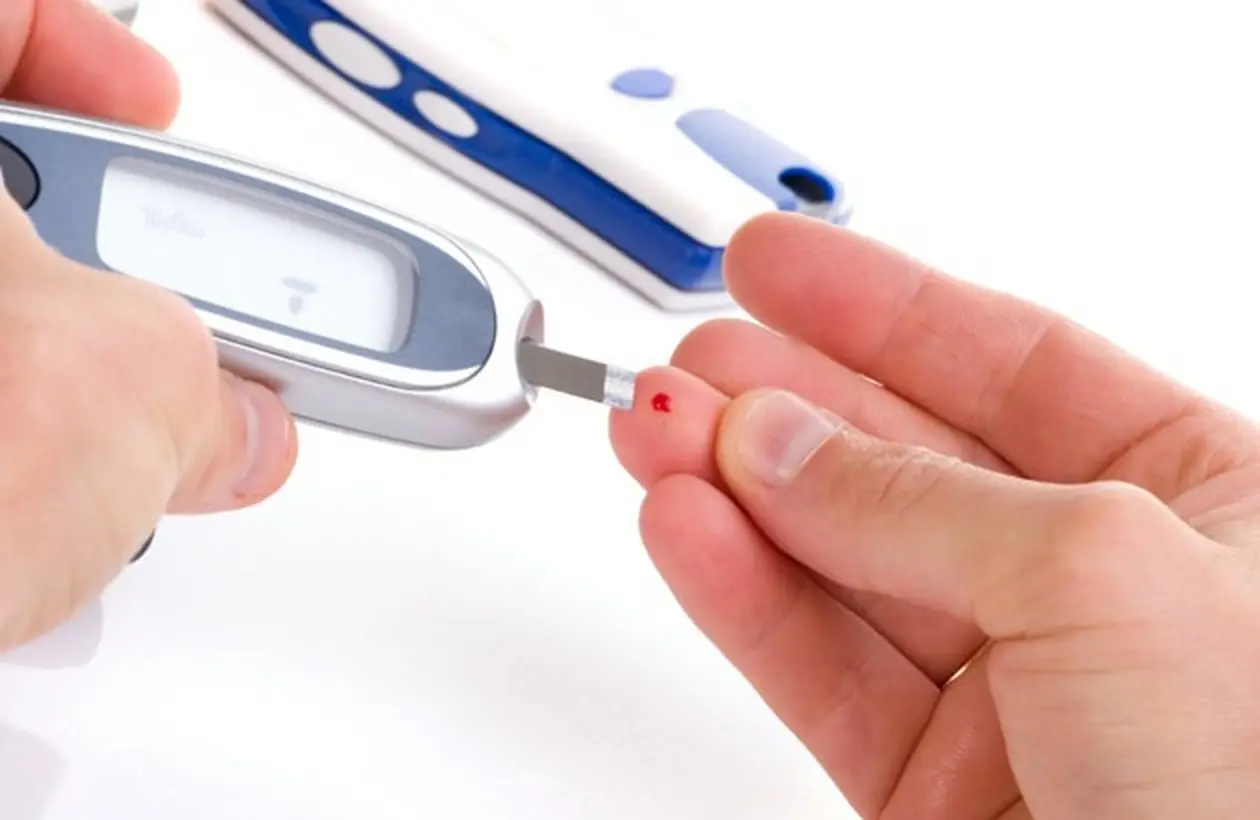
Use the lancing device to prick the side of the tip of your finger. The side is less sensitive and generally causes less pain. Make sure to use a clean, dry finger. - Obtain a Drop of Blood:
After the prick, gently squeeze your finger to produce a drop of blood. Avoid massaging the finger to ensure the drop is large enough, as this can dilute the sample. - Apply Blood to the Test Strip:
Place the drop of blood on the designated area of the test strip. The strip may have a specific zone for blood absorption. Make sure to apply the sample according to the manufacturer’s instructions. - Wait for Results:
The glucometer will process the sample and display the results within a few seconds. The screen will show your blood glucose level. - Clean Up:
Dispose of the used test strip and lancet in an appropriate biohazard container. Clean the lancing device if needed, and store the glucometer and other components in a clean, dry place. - Record the Results:
Record the results in a logbook or use an app to track your glucose levels, measurement times, and any other relevant details as part of your monitoring routine. - Consult Your Healthcare Professional:
If the results are unusual or if you have any concerns about managing your diabetes, consult your doctor or specialist for further guidance.
How to use Glucometer correctly
•

•